The MultAI-PASS project addresses the growing need for personalized, inclusive, and adaptive learning in higher education. Traditional teaching methods often fail to accommodate diverse learning styles. The project responds to this challenge by leveraging multimodal artificial intelligence (AI) to dynamically adapt educational content to individual learning preferences, improving engagement and accessibility. It also tackles institutional hesitancy toward AI integration by establishing a responsible and ethical framework that ensures human oversight, data privacy, and pedagogical quality. By combining multimodal AI, human-in-the-loop design, and microcredentials, MultAI-PASS will deliver a Universal Student Passport and a set of AI-enhanced tools to promote accessibility, engagement, and digital equity in European higher education.
EMPOWERING PERSONALIZED LEARNING THROUGH AI
MULTAI-PASS: Multimodal AI for Personalized Adaptive Student Pathways
Erasmus+ project no. 2025-1-SE01-KA220-HED-000359563
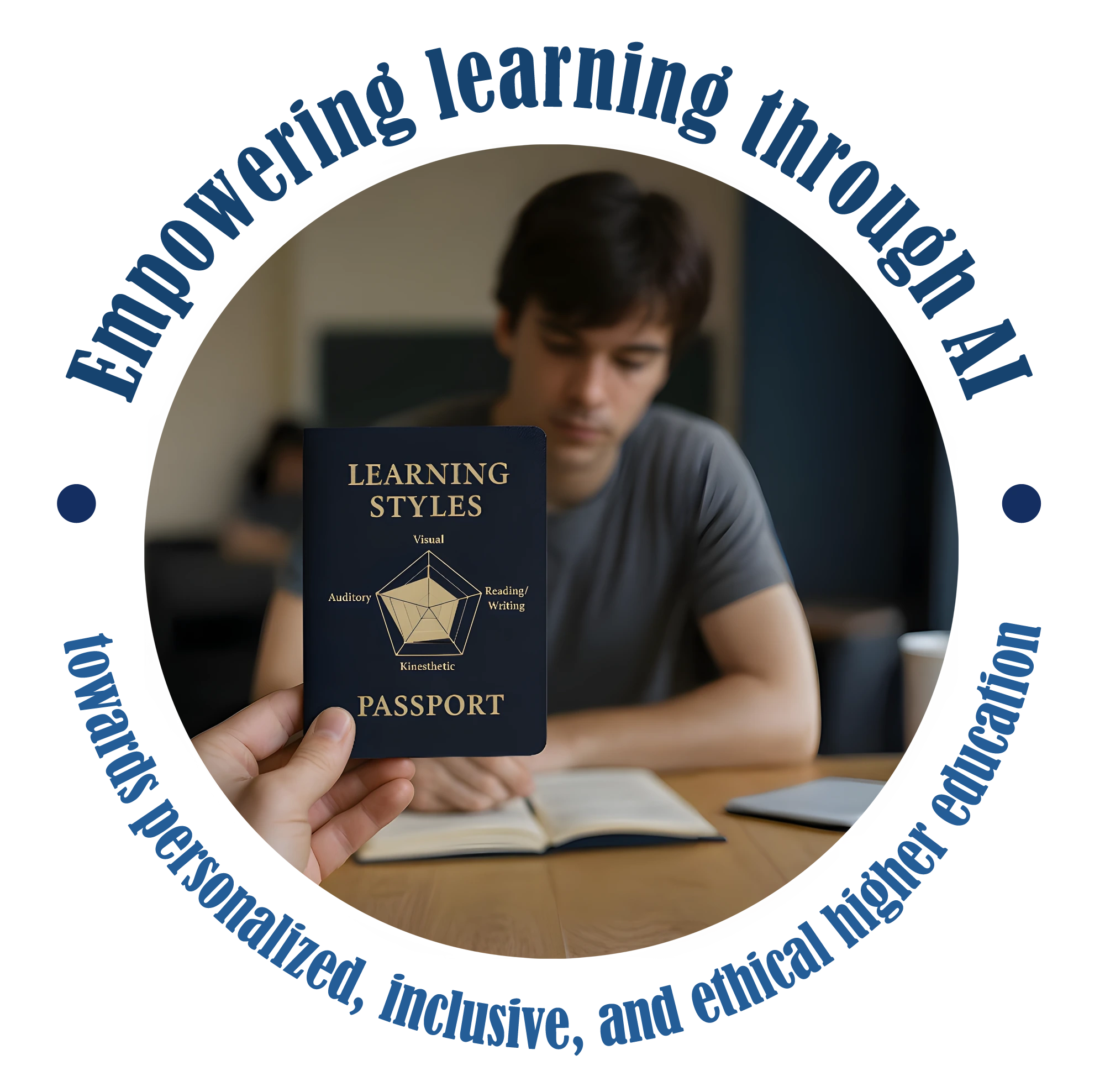
Latest News
Discover the most recent updates and information about the project. Follow the project and stay updated!
About MultAI-PASS
Motivation

Objectives
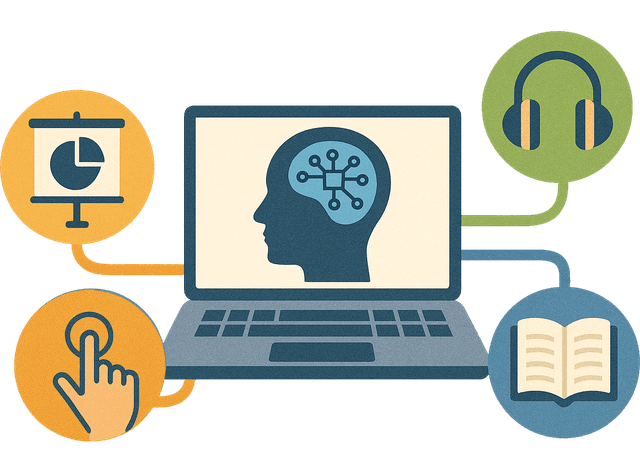
AI for Personalized Learning
Leverage multimodal artificial intelligence to create adaptive educational experiences that respond to students’ individual learning styles and preferences. By transforming traditional content into multimodal formats (visual, auditory, textual, and interactive), the project enhances accessibility, engagement, and retention across diverse learner profiles.
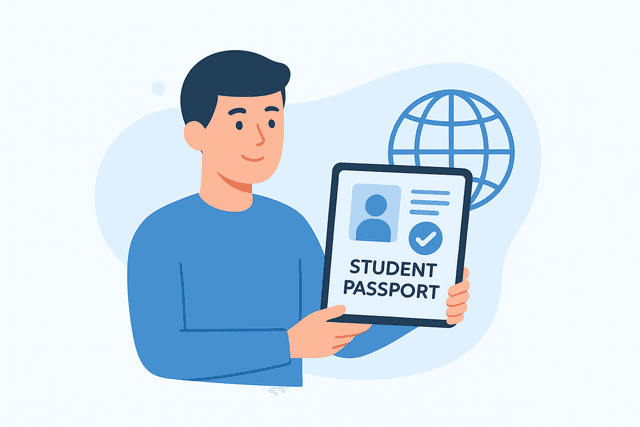
Universal Student Passport (USP)
Develop a standardized digital passport that records and communicates students’ preferred learning modalities, enabling seamless personalization across participating institutions. The USP will ensure equitable access to adaptive materials and foster interoperability in AI-driven education.
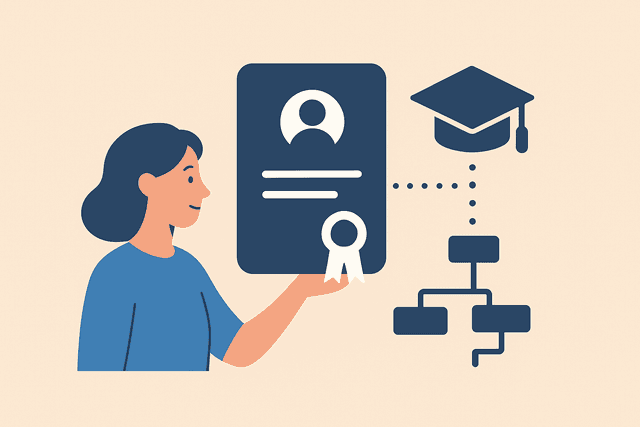
AI-Enhanced Microcredentials
Design and implement flexible, modular learning pathways using AI-generated, competency- based microcredentials. This objective supports the EU’s micro-credential strategy, empowering learners to gain verified skills aligned with their personal pace and professional aspirations.
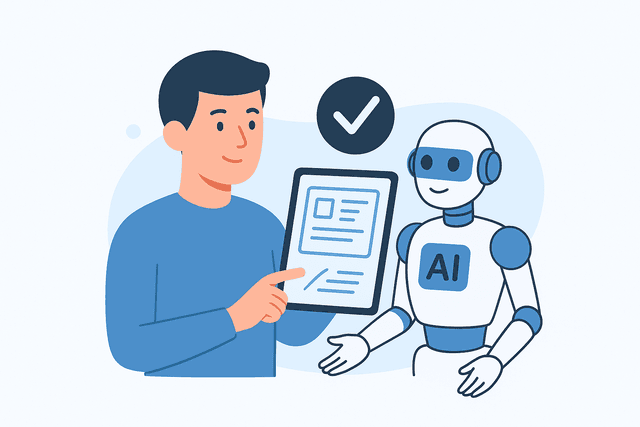
Validation through Human-AI Collaboration
Integrate human-in-the-loop methodologies to ensure that AI-generated educational content remains pedagogically sound, ethically compliant, and contextually relevant. Educators will co-design, test, and refine adaptive materials to maintain high educational quality.

Ethical, Inclusive, and Sustainable AI Integration
Establish a framework for the responsible and inclusive adoption of AI in higher education, ensuring compliance with GDPR and EU AI ethics guidelines. This includes building institutional capacity, teacher training, and sustainability strategies for long-term impact.
Implementation
TPMs: The consortium will organise regular transnational project meetings to coordinate activities, ensure quality and coherence, and strengthen collaboration among partner institutions.
Research and Development: Activities will focus on the creation of key intellectual outputs, including AI-driven learning frameworks, adaptive content models, the Universal Student Passport, AI-enhanced microcredentials, and pilot / validation studies.
LTTA: Learning, Teaching, and Training Activity events will target HEI educators and instructional designers, providing practical experience with multimodal AI tools for adaptive and inclusive learning.
MEs: Multiplier events will disseminate the project’s results, tools, and frameworks to a wider audience of educators, policymakers, and stakeholders in digital and higher education.
Scientific Outreach: Project findings will be published in peer-reviewed journals and presented at international conferences, contributing to the broader academic discourse on AI in education and personalized learning.
Work Packages
- Coordination of project activities, schedules, and deliverables across partner institutions
- Quality assurance, financial monitoring, and risk management
- Maintenance of transparent communication and effective decision-making mechanisms
- Identification and analysis of AI tools capable of transforming educational content across modalities
- Development of frameworks and methodologies for integrating multimodal AI into higher education
- Creation of guidelines to support educators in adopting AI for inclusive and adaptive teaching
- Design and development of a digital student passport that records learners’ preferred modalities and learning styles
- Integration of the passport with institutional learning management systems to ensure interoperability
- Testing and refinement through pilot studies to ensure accessibility, inclusivity, and ethical use
- Prototyping and deployment of AI-enhanced microcredentials and adaptive learning modules
- Pilot testing with students and educators across partner universities
- Evaluation of pedagogical effectiveness, user experience, and human–AI collaboration models
- Communication strategy
- Branding, promotion, and online presence
- Engagement through events, publications, and social media
- Sustainability roadmap
Key Outcomes
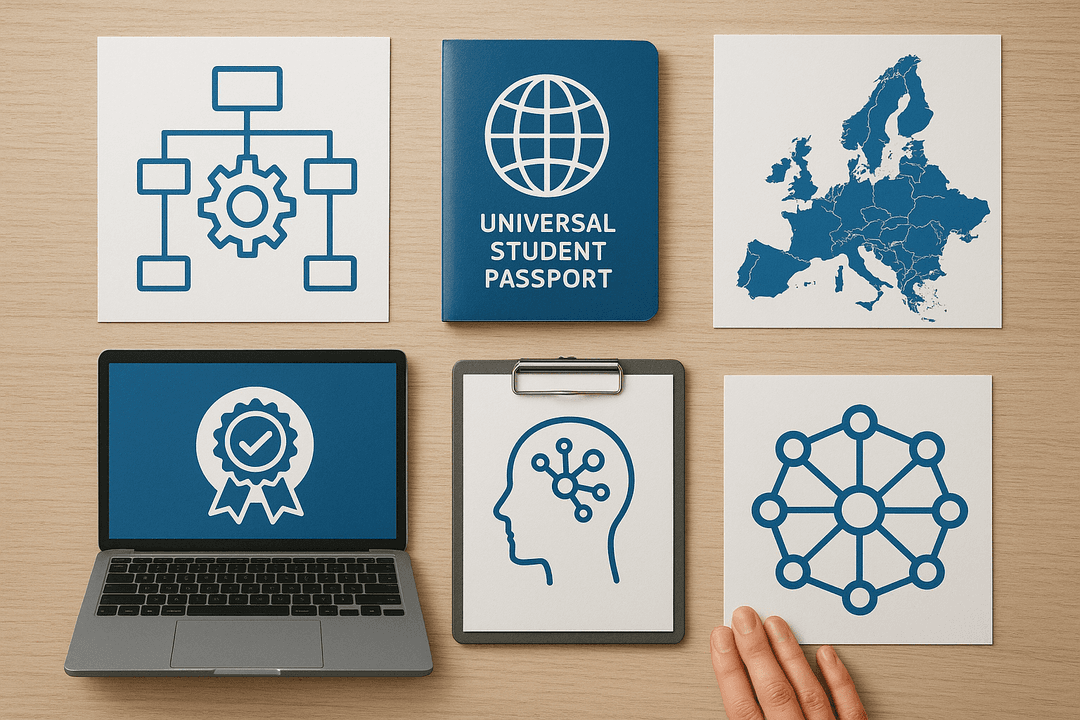
- A comprehensive framework for integrating multimodal AI in higher education.
- The Universal Student Passport, supporting personalized and inclusive learning experiences.
- AI-enhanced microcredential prototypes demonstrating adaptive pathways.
- Research outputs on human–AI collaboration in education and ethical content adaptation.
- Guidelines and training materials for educators to integrate AI responsibly.
- Sustainable collaboration network among European HE institutions advancing AI-based personalized learning.
Partners